Electrical Panels
Panel replacements, sub panels and circuit additions.
Norwood, MA · Norfolk County
Norwood is a dense, built-out Norfolk County town of roughly 31,600 on the Neponset River, with a real downtown, the busiest commuter rail stop on its line outside Boston, and a housing stock that includes plenty of two-families and triple-deckers.
Serving Norwood
Norwood does not feel like the towns further out on the corridor. It is compact and built out, with a downtown centered near Norwood Central station — the busiest stop on the Franklin/Foxboro line outside Boston — and neighborhoods of houses on tight lots within walking distance of it.
That density shows up in the electrical work. Norwood has a documented triple-decker history along with two-families and closely spaced single-family houses, much of it wired long before central air, electric ranges and EVs. Older multifamily raises questions single-family houses never do: unit metering, shared basement and hallway circuits, and whether the service ahead of the building matches how it is actually used today.
Norwood also has active redevelopment on former industrial land, including a 145-unit residential project near Norwood Central permitted under the MBTA Communities Act. New multifamily and station-area development bring a different electrical scope than a suburban addition.
Fruci & Son Electric is a service-area contractor with one number and no branch offices. Norwood is inside the corridor Nick drives daily. Calls and texts to (781) 375-6560 reach him directly.
Older multifamily in Norwood tends to share a set of problems: panels that were split and re-split as units changed, basement and hallway circuits fed from whichever unit was convenient in 1955, ungrounded receptacles throughout, and a service that has never been resized despite decades of added load.
Nick handles per-unit panel and circuit work, service upgrades, separating shared circuits that should be on house power, common-area and basement lighting, and smoke and CO device work as units turn over. The first step is figuring out what feeds what — in a three-family, that alone often changes the plan.
Norwood's single-family neighborhoods are close-built and mostly older, which affects both the wiring and the access. Panel and meter locations are often tight, exterior runs have limited room, and interior routing through plaster and balloon framing takes planning rather than force.
Typical work: replacing an obsolete or full panel, upgrading an undersized service, adding grounded and dedicated circuits for kitchens, baths, window units and EV charging, and correcting the accumulated shortcuts previous work left behind.
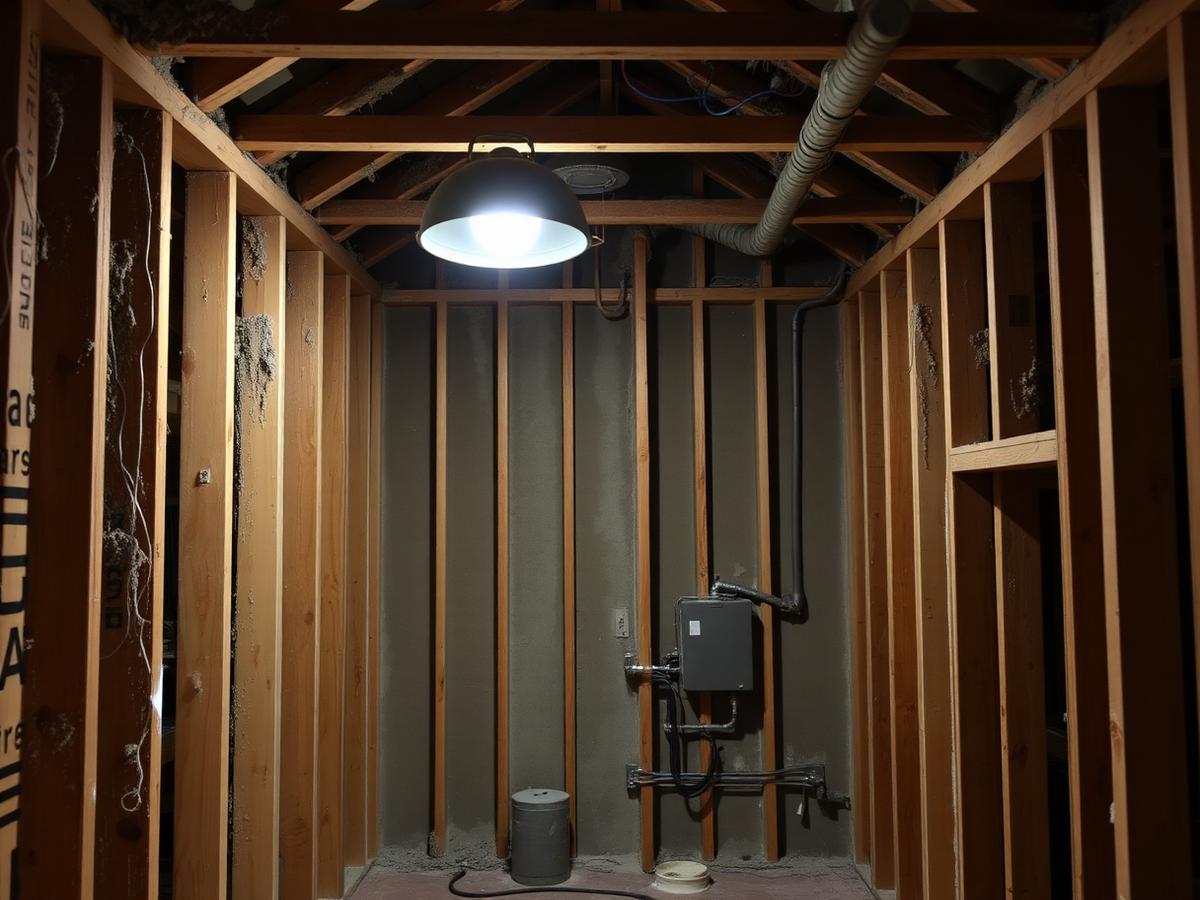
Because Norwood is built out, most residential growth happens inside the existing footprint — kitchens, baths, dormers, additions and basements turned into real living space. Electrical planning done before demolition is what keeps the finish stage calm.
The useful questions are load, panel or sub panel, lighting and switching layout, and what has to be roughed before insulation. Nick coordinates rough and finish inside a GC's schedule, around framing, HVAC and plumbing rather than after the drywall is up.
Norwood's downtown and its commercial corridors carry retail, restaurant, office and service space that changes hands regularly. The electrical scope that follows is familiar: circuits relocated for a new layout, LED lighting replacement, dedicated equipment circuits for kitchens and shops, sign and exterior power, and panel work when existing gear is full.
In a downtown building the constraints are tight — occupied neighbors above and beside you, limited service space, and an opening date. Nick handles buildouts, lighting, added circuits, service and panel work, and ongoing repairs on that basis.
Around Town
Mixed-use buildings and storefronts near the station — commercial buildouts, service and panel work.
Two- and three-family houses and triple-deckers — metering, shared circuits, unit turnover work.
Station-area residential redevelopment — house panels, metering coordination, common-area lighting.
Panel replacements, sub panels and circuit additions.
Increasing electrical capacity for homes and buildings.
Replacing old or damaged wiring in existing structures.
Repairs to circuits, devices, fixtures and existing wiring.
Electrical for kitchens, baths, additions and full gut renovations.
Buildouts, upgrades, lighting and ongoing electrical work.
Who Nick Works With
More detail on electrical work for homeowners, electrical support for contractors and builders and commercial electrical projects.
Norwood issues building and electrical permits through its Building Inspection Department, with applications handled through the town's online licensing and permitting portal. All Massachusetts electrical work is done under the Massachusetts Electrical Code (527 CMR 12.00), and permits are normally filed by the licensed contractor performing the work. Whether a given job needs a permit or an inspection depends on scope and current requirements — confirm with the department or ask Nick. This is not legal advice.
Questions
Providence to Boston
Send Nick the address, what's going on and a photo of the panel. You'll get a straight answer, not a sales pitch.
(781) 375-6560