Renovations & Remodels
Electrical for kitchens, baths, additions and full gut renovations.
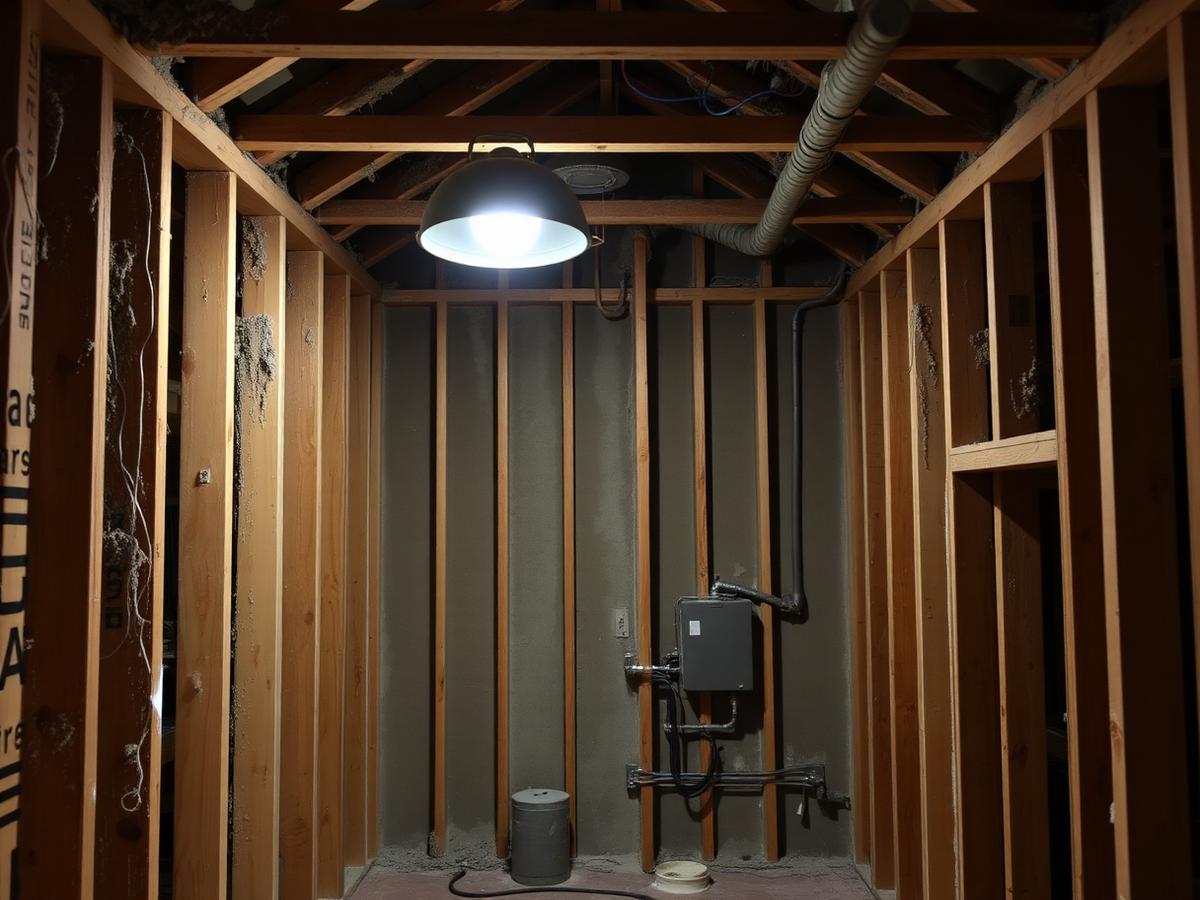
Wrentham, MA · Norfolk County
Wrentham runs from 1700s and 1800s houses around the common out to newer subdivisions off West and Hancock Streets, plus the retail corridor where Route 1A meets I-495. Nick handles electrical work across all of it.
Serving Wrentham
Wrentham was settled in 1660 and incorporated in 1673, and the town still shows it. Streets around the common and out toward Sheldonville hold houses built across three centuries, many of which have been added onto, converted, re-roofed and re-plumbed several times over. Electrical systems in buildings like that are usually a stack of eras — a little original knob-and-tube left in a wall, a 1960s panel, a 1990s kitchen circuit, and a recent hot tub or heat pump feed. Sorting out what is actually there is often the first real task.
At the same time Wrentham is a growing town of roughly 12,000 people across about 22 square miles, and residential construction has continued through recent years — subdivision work off West Street and Hancock Street and affordable-housing development such as Eagle Brook Commons have moved through the town's boards. That means new-construction rough and finish work sits alongside repair calls on century-old houses, sometimes in the same week.
The third piece is commercial. Wrentham Village Premium Outlets sits off Route 1A and I-495 with roughly 170 stores, and the Route 1 and Route 140 corridors carry the shops, offices and service businesses that follow that kind of traffic. Tenant spaces turn over, lighting gets replaced, and buildouts need electrical scheduled around other trades.
Fruci Power Co. is a service-area contractor — there is no Wrentham storefront or local office. Nick drives the Providence-to-Boston corridor, and Wrentham sits near the middle of it, roughly 30 miles from Boston and 25 from Providence. Calls and texts go to (781) 375-6560 and reach Nick directly.
In a town with housing stock dating back to the 1700s, a lot of residential electrical work is modernization rather than repair. Common requests include replacing an undersized or obsolete panel, adding grounded circuits to rooms that were wired before grounding was standard, separating overloaded kitchen and bath circuits, adding dedicated circuits for window units, well pumps or EV chargers, and replacing sections of deteriorated wiring found once walls are open.
Older houses in Wrentham also tend to have low-ceiling basements, plaster walls, balloon framing and finished attics, all of which affect how new wiring gets routed. Nick will walk the house with you first and talk through what can be fished, what needs a surface path, and what is better handled while another part of a project already has walls open.
Nothing here is a claim about your specific house. What is in a given wall only becomes clear once someone looks. If a breaker keeps tripping, a circuit is dead, or an old panel is making you nervous, troubleshooting the actual condition is the starting point.
A large share of Wrentham's residential activity is expansion of what is already there — kitchen and bath remodels, finished basements, primary-suite additions, garage and in-law conversions, and full gut renovations of older houses. Electrical usually touches every one of those, and it is one of the trades most often rushed at the end.
It goes better when the electrical scope is planned early: how much capacity the existing service actually has before you add another 60 amps of load, whether a sub panel makes more sense than long homeruns, where recessed lighting and switching will land, and what needs to happen at rough versus finish. Nick is comfortable working inside a general contractor's schedule and coordinating with framers, HVAC and plumbing rather than showing up after the drywall.
If you are planning a project, the pages on electrical work for home renovations and support for contractors and builders cover how that side is run.
New houses on Wrentham's newer streets and subdivisions get a different kind of attention. On new construction the work is sequencing: temporary power, service and meter location coordinated with the utility, panel and sub panel sizing for the actual planned loads, rough wiring while the frame is open, then devices, fixtures, low-voltage provisions and trim at finish.
Building a house is also the cheapest moment to plan ahead — conduit for a future EV charger, capacity for a heat pump or a generator inlet, a garage or barn feed, exterior and landscape lighting, and enough circuits that the kitchen is not fighting itself. Those decisions cost very little at rough and get expensive later.
Wrentham's commercial footprint is concentrated where Route 1, Route 1A and Route 140 meet the I-495 interchange — the outlet center and the businesses that grew around it, plus smaller retail, office and service buildings scattered along those corridors. Commercial electrical work in a setting like that is usually tenant-driven: a space changes hands, the layout changes, lighting gets swapped for LED, and new circuits are needed for whatever equipment the next tenant brings in.
That work has its own constraints — occupied neighboring units, landlord requirements, off-hours access, and a schedule tied to an opening date. Nick handles buildouts, lighting, added circuits, panel and service work and ongoing repairs for commercial property owners and managers in the area. Details are on the commercial electrical page.
Wrentham's mix of older houses and steady demand means properties do get bought, rehabbed and resold or rented. On a rehab the electrical question is normally scope and honesty: what has to be replaced, what can stay, and what is going to surface once demolition starts.
Nick will look at a property before it closes or early in demolition and give a clear read on the electrical condition, then handle the work — panel or service replacement, rewiring the sections that need it, new devices and lighting, and correcting conditions flagged during the project. Investors and flippers generally want the scope defined up front rather than discovered in week three.
Around Town
The historic center around the common, where the oldest housing stock and the most electrical modernization work is concentrated.
The village in the western part of town with its own ZIP code (02070) — largely residential, with a rural road pattern.
The retail and commercial spine, including the outlet center near the I-495 interchange.
Where recent subdivision and residential development has been reviewed by the town's boards — new-construction wiring territory.
Runs toward Franklin and Norfolk, with a mix of homes and small commercial and service properties along it.
Services
The full range is on the electrical services page.
Electrical for kitchens, baths, additions and full gut renovations.
Panel replacements, sub panels and circuit additions.
Replacing old or damaged wiring in existing structures.
Rough electrical through finish on new builds.
Increasing electrical capacity for homes and buildings.
Tracing dead circuits, tripping breakers and intermittent problems.
Buildouts, upgrades, lighting and ongoing electrical work.
Recessed lighting, fixture installs, exterior and interior lighting.
Electrical scopes for rehabs and investment properties.
Who Nick Works With
More detail on electrical work for homeowners, electrical support for contractors and builders and commercial electrical projects.
Wrentham handles electrical inspections through its Department of Inspections at 350 Taunton Street, which staffs a wiring inspector and an assistant wiring inspector. The town's own guidance is that a permit is required for construction and installation work and that permits are applied for by the licensed contractor doing the work — with a separate homeowner license exemption form for the limited cases where that applies. Electrical permits can be filed through the town's online permitting portal. All electrical work in Massachusetts is performed under the Massachusetts Electrical Code (527 CMR 12.00). Whether a specific job needs a permit or an inspection depends on the scope of the work and the requirements in effect at the time, so confirm details with the town or ask Nick — this is not legal advice.
Questions
Providence to Boston
Whether it's an old panel that needs to go, electrical for an addition, a new house going up, or a commercial space being turned over, tell Nick what you're working on.
(781) 375-6560